Building more homes is one part of solving Western North Carolina’s housing challenges. Making housing affordable and helping people stay in their homes takes work, too.
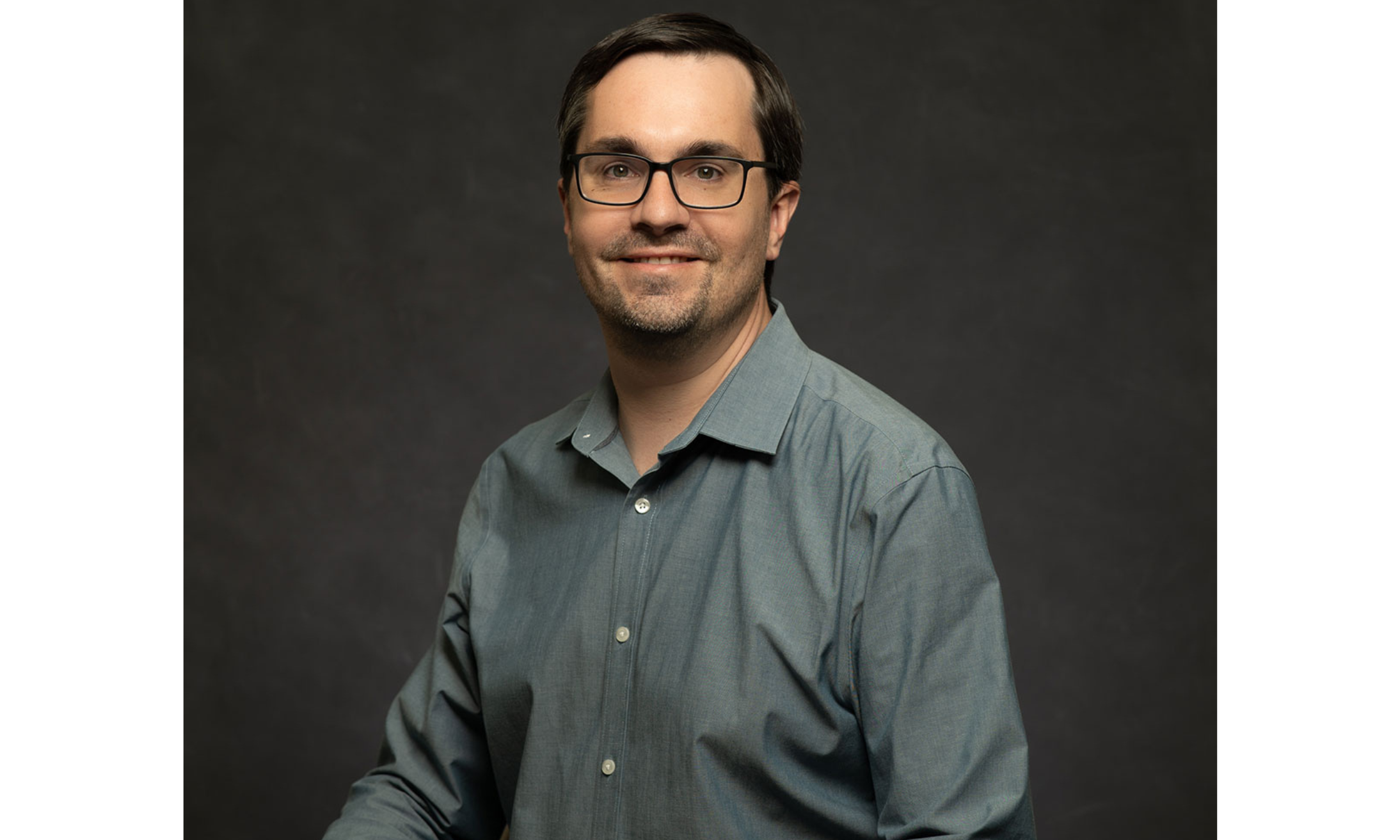
Mountain Housing Opportunities (MHO) tackles all three challenges through residential development, homeownership assistance, and essential home repairs. We spoke with President and CEO Geoffrey Barton about the cost of creating affordable housing, the solutions he wants our community to prioritize, and what gives him hope for the future.
Q: What’s one thing you wish more people understood about affordable housing?
The biggest thing is how expensive it is to build: over $300,000 per unit. Affordable housing doesn’t mean substandard housing or cheap housing. It means housing for people who can’t afford what the market can normally provide. Assembling the resources is incredibly difficult when it is so expensive to build.
Q: What’s making it harder for people to find or keep a home right now?
The biggest challenge is cost. Housing costs relative to wages in our community create challenges for people looking to buy or rent.
And for people who already own their homes, upkeep is a major hurdle. Through MHO’s home repair program, we work with some of the lowest-income members of our community who can’t afford essential repairs. Replacing a roof, water heater, or heat pump costs a lot more than it used to.
Whether someone is trying to access the housing market or maintain the home they already have, cost is the biggest challenge across the board.
Q: What is MHO working on right now that can make a real difference, and for whom?
We have a spectrum of programs that address different parts of our community’s housing challenges. Our biggest focus is operating at and sustaining the scale necessary to meet those needs.
We have new rental developments underway and are building far more affordable rental homes than we have in previous years. Those homes serve our working population, as well as low-income retirees and people with disabilities, here in Asheville and Buncombe County.
Our homeownership development work is also operating at a larger scale than it traditionally has. We serve people who are ready for homeownership but may not realize how attainable it can be once we help them access the down payment assistance programs available.
Also, through our work in doing essential home repairs, we help very low-income homeowners who can’t pay for high-cost repairs on their own. This helps people stay in their homes and remain in this community.
Q: If you could change one thing about how our community tackles housing, what would it be?
I would want us to stick with proven solutions rather than be drawn to the latest magical solution that doesn’t materialize. Other communities have addressed challenges like ours. Sometimes, trying to reinvent the wheel distracts us from the meaningful work of producing enough new housing to meet the need.
One example is zoning reform. I would eliminate barriers within our zoning ordinance that inhibit new housing production. Modest infill homes and starter homes are difficult to build on the high-cost developable property within city limits, and zoning plays a big role in that.
Q: Housing headlines can be discouraging. What’s giving you hope right now?
What gives me hope is how widely understood the problem is. There is general agreement across the aisle and around the country that housing is one of our basic needs.
There is also recognition that when we don’t adequately provide affordable housing, the resulting social strains can cost our government more than clearing the way and allowing more housing to be built.
That shared understanding gives us something to build on. It is a commonly understood challenge, and I think that provides a lot of reason for hope.