Buncombe County voters will decide next month whether to approve $70 million in borrowing for affordable housing, land conservation, and outdoor recreation.
The two bond measures follow investments voters approved in 2022. Supporters say another round of funding would sustain that work as the county recovers from Helene and addresses ongoing housing needs.
Here are five things to know.
1. There Are Two Separate Measures
One would authorize $40 million for affordable housing. The other would authorize $30 million for open space, including conservation, parks, greenways, and trails.
“The housing bond helps create homes for seniors on fixed incomes, working families, and people with disabilities, and it frees up county funds for home repairs,” says Brownie Newman, former chair of the Buncombe County Board of Commissioners and a leader of the Vote Yes on Bonds campaign.
Voters can consider each measure separately.
2. The Earlier Bonds Are Still Supporting Projects
According to Newman, the 2022 housing bond is helping create 969 affordable homes, many still under construction. For every $1 in bond funding, these housing projects are receiving approximately $7 from other sources.
He says the open space investment is conserving 2,600 acres and opening more than 300 acres for public recreation.
These figures include work underway, rather than only completed homes and recreation projects.
3. Local Projects Show What the Funding Can Support
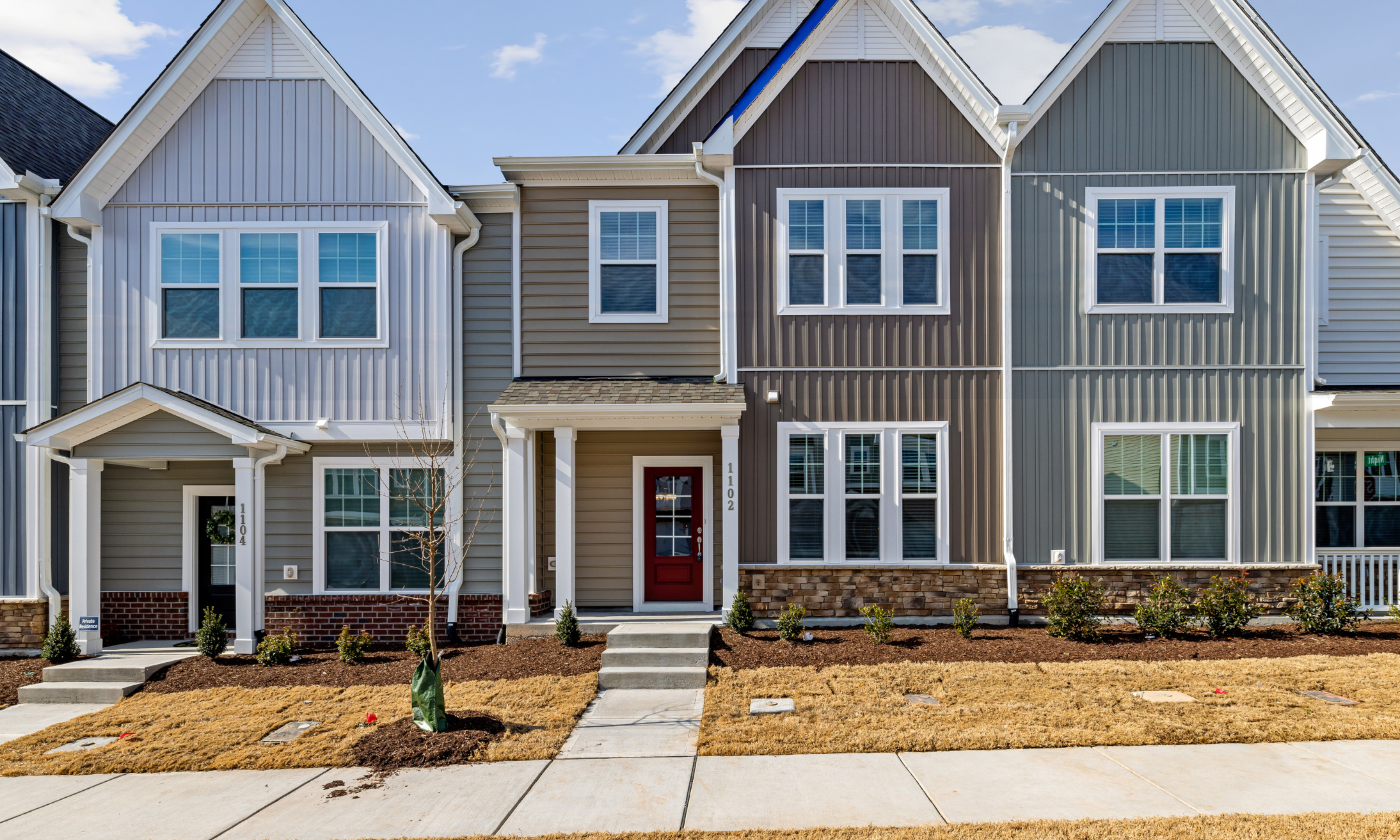
Newman points to Meribel, a 156-home affordable development in Weaverville, and Redwood Commons, a 70-home development under construction for seniors in East Asheville. Both offer access to transit and nearby groceries.
Conservation examples include Fairview Community Forest, with 250 protected acres and eight miles of public trails, and the 342-acre Deaverview Mountain property, preserved for a future park.
“The next bonds can do more of both,” Newman says.
4. The Borrowing Would Be Repaid Through Property Taxes
The proposed bonds would be repaid over 20 years. Including estimated interest, the total cost to the county would be approximately $111.1 million, according to reporting by the Asheville Citizen Times.
The estimated property tax impact is $9.60 annually per $100,000 of assessed value, or about $48 a year for a $500,000 home.
The cost would be incorporated into the county’s property tax rate rather than appearing as a separate bond charge.
5. Residents Can Follow Where the Money Goes
Newman says projects would undergo county and advisory review before public approval by the Board of Commissioners, with citizen oversight and annual independent audits.
Residents can explore allocations and project progress through the county’s bond transparency dashboard.
For Newman, the case for another investment comes back to continuing the work already underway.
“The need didn’t end in 2022, and neither should the work.”